How Order Management Helps Simplify Delivery Platform Integration

How an Order Management System Helps Simplify Delivery Platform Integration
In the post-COVID world, one of the most significant changes in customer behavior is their preference for how orders are made. Before Covid, orders have been done directly at the store or using delivery services through calls or online sites. The emergence of delivery and “super apps” has reshaped how customers order food, turning these platforms into the first stop before enjoying their favorite meals.
This article provides a guide to integrating your restaurant with delivery platforms and explains how a centralized order management system makes it effortless to manage multiple delivery platforms and other order channels from one place.
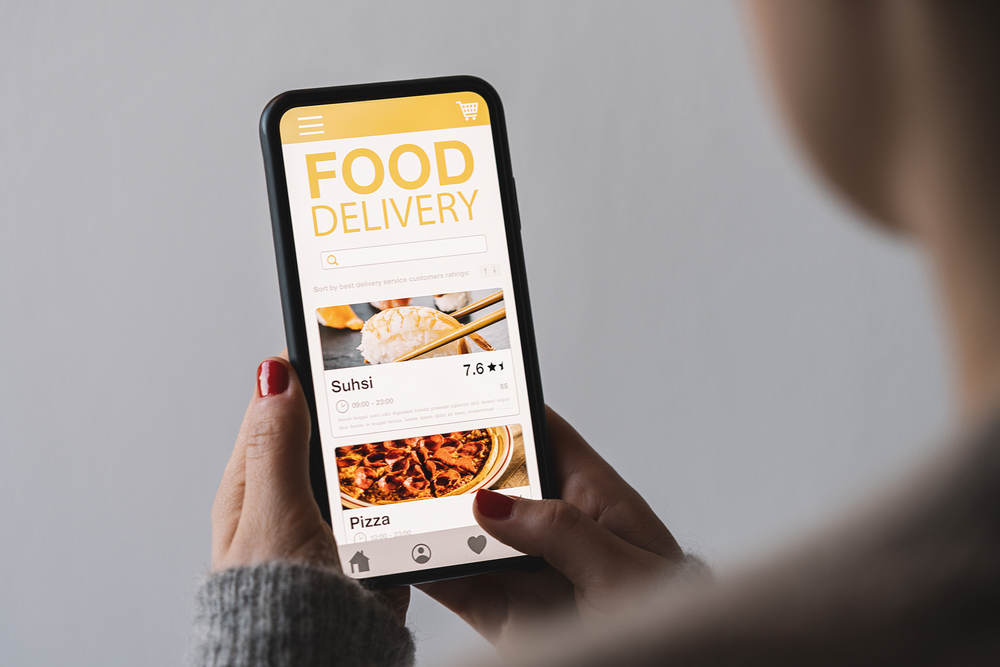
Delivery Terminal Overview: How Grab & Foodpanda Orders Are Managed in Restaurants
Whether Grab, Foodpanda, or any other food delivery application, the basic operational workflow could be described as the relationship between four parties: customer, restaurant, riders, and the app, shown in the following flowchart.
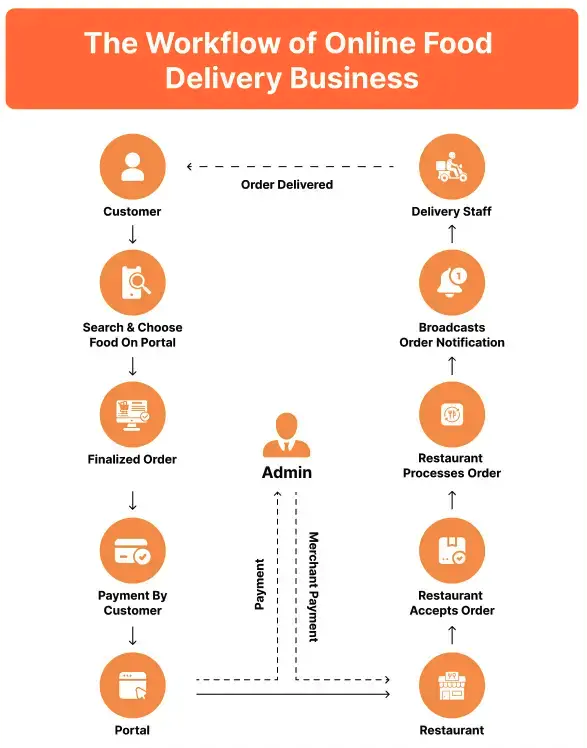
It all begins with a customer searching for a restaurant and browsing the menu available on the app. Once they find their preferred options, the next step is finalizing the order—selecting sizes, adding options, and providing notes to the restaurant. After this, they proceed to the payment process, which may include applying available discounts or promotions. From that point, the customer is informed about the delivery details—when the order will arrive and who the delivery rider is. All that remains is for the customer to wait for their order to be delivered.
The process then shifts to the restaurant side. Once the order is confirmed and paid for by the customer, it is sent to the restaurant. While the restaurant prepares and cooks these orders, communication between the restaurant and the delivery app continues. The restaurant provides the estimated preparation time back to the app, which uses this information to optimize rider assignment, ensuring that orders are delivered to customers on time. Once a rider is assigned, the app shares the necessary details to match the order with the correct rider. After the order is picked up from the restaurant and handed off for delivery, the process concludes with customer feedback via review.
As you can guess, there are multiple touchpoints between the restaurant and the delivery app. The restaurant provides the menu, options, and availability to a third-party app, which then sends customer orders to the restaurant. The restaurant shares the estimated preparation time, and the app updates delivery details, including rider information, to ensure accurate fulfillment. Once the order is completed, the app relays customer feedback or comments and, most importantly, processes the payment to the restaurant.
How Order Management Becomes the Great Bottleneck
Speaking of workflows, the greatest possible “bottleneck” in this process is the process of order management between delivery apps and the restaurant. Think of restaurants that leave the integration of the delivery app as a siloed system, every order needs to be manually input into the POS. This creates unnecessary double work, where staff have to transfer order details from delivery tablets into another system, or worse, write them down on paper tickets for each order.
Managing delivery orders without centralized control often leads to operational chaos. Menus and options go out of sync between systems, resulting in unavailable items or missing modifiers. Orders get delayed or lost due to manual re-entry or miscommunication between delivery apps and the kitchen. Each order must be double-checked, slowing kitchen turnover, while pricing mismatches create accounting errors. For restaurants juggling multiple delivery apps, prioritizing orders becomes nearly impossible — adding even more delay and frustration for both riders and customers.
Integrating centralized order management brings back the core value of food delivery - accuracy and speed, as it completely eliminates these problems. By connecting every order channel into one unified flow, information moves seamlessly between the customer, kitchen, and delivery app. Menus update in real time, orders queue automatically, and kitchens can process them faster with full visibility. Customers see accurate availability, staff reduce manual work, and every order — from add-ons to special requests — is processed correctly the first time. The result is higher throughput, fewer errors, and happier customers.
Selecting the Right POS for Centralized Order Management
As you can see, breaking the bottleneck between delivery apps and your restaurant operation is possible by creating a “bridge” between delivery apps and your restaurant’s operational framework. Your POS system is the best place possible for deep integration with delivery apps, as it’s where the process of order management begins.
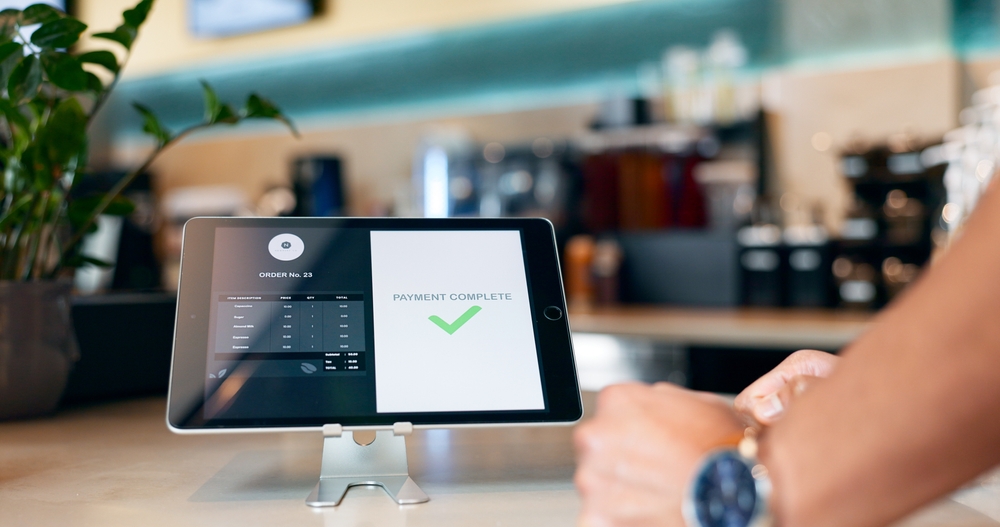
Your POS system must include three essential capabilities to have a seamless operational flow:
- 3rd-party API integrations: Each delivery platform has its own application programming interface (API), which allows external systems such as restaurant POS, order management systems, and payment gateways—to communicate directly. The capability of API integration is equal to having a direct pipeline from a 3rd-party vendor to your restaurant operation. In this case, this means the information between delivery apps and your restaurant is being automated in real-time - ensuring 100% accuracy and decreasing the chance of error, while reducing the workload of your staff.
- Single-interface centralized management: Once integrated, the next step is managing all delivery channels through a unified dashboard. A centralized management interface consolidates every essential function such as store availability, menus, pricing, promotions, order prioritization, inventory, and even payment tracking, into one system. This enables operators to monitor and control everything from one place, ensuring consistency and faster decision-making across locations.
- Integration with necessary add-ons: Beyond core POS capabilities, supporting add-ons like kitchen display systems (KDS), recipe management, and order forecasting further enhance accuracy and speed. The POS should act as the operational backbone, distributing real-time data to connected systems and streamlining kitchen and delivery workflows for maximum efficiency.
With the right POS, delivery platforms become part of your connected ecosystem—fully automated, synchronized, and operating in real time. The result is faster fulfillment, higher order accuracy, and a smoother experience for both customers and staff.
Okya: From Chaos to Clarity in Delivery Management
For the restaurant brands looking for a seamless integration with multiple food delivery apps, they are in need of not only a connection with those applications, but also a manageable system that makes their kitchen workflow match the pace demanded by the customer. This is why OKYA, the All-in-One Restaurant Chain Solution, could be a solution for you. Okya provides a unified ecosystem that streamlines delivery operations — improving order accuracy, fulfillment speed, and overall customer satisfaction..
Built for enterprise and multi-location restaurant brands that need real-time visibility and control from the start, Okya is the solution that helps your restaurant brand deliver true Online-to-Offline (O2O) connectivity through its modular architecture. It includes all the infrastructure modern delivery operations require — unified menu and pricing management, intelligent order routing, kitchen display system (KDS) integration, real-time status updates, and centralized dashboards for management oversight.
Trusted by leading restaurant brands across Asia, Okya is a proven, ready-to-deploy solution built to connect every delivery channel — ensuring accuracy, real-time data sync, and full operational visibility.
Whether you’re a single restaurant seeking smoother delivery integration or a large chain striving for a seamless experience across offline and online channels, Okya brings it all together. If you’re ready to explore how Okya’s 3rd-party integrations can transform your restaurant’s delivery workflow, our team is available for a live demonstration and consultation.