Using Deposits and Reminders in Your Restaurant Booking Flow to Stop No-Shows

Using Deposits and Reminders in Your Restaurant Booking Flow to Stop No-Shows
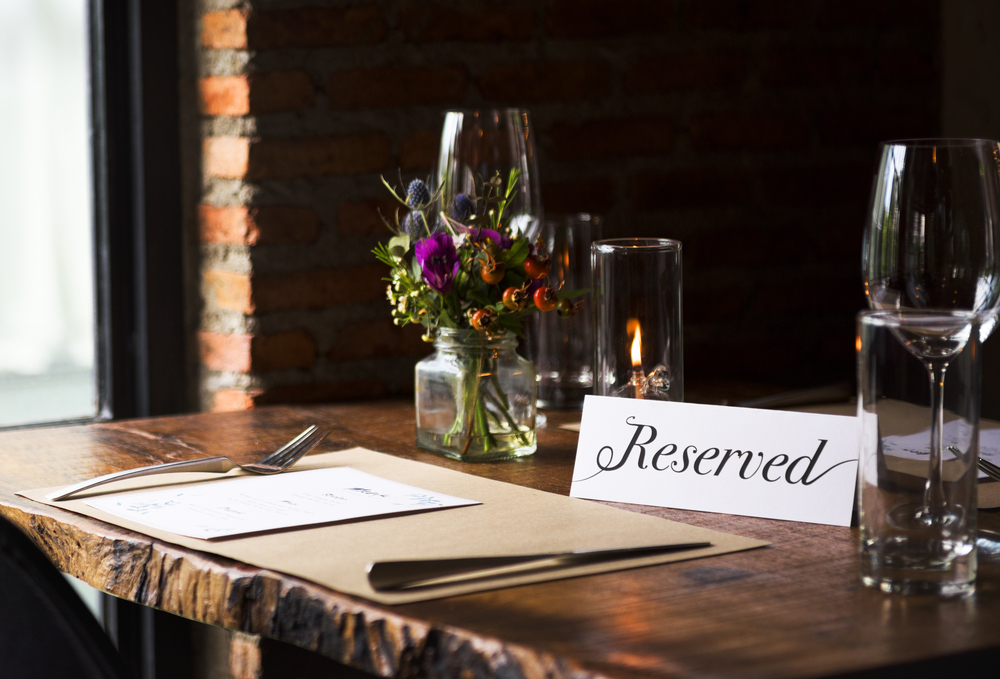
No-shows are more than a minor inconvenience for restaurants; they are a direct impact on revenue. When tables are left empty, restaurants lose sales and waste preparation, affecting both daily income and business growth. This encourages many restaurants to adopt modern tools like smart restaurant booking systems to optimize their work efficiency. Features like reservation deposits and automated reminders help encourage guest accountability without adding friction to the customer journey. When used correctly, these modern tools can significantly reduce no-shows while helping restaurants improve planning, streamline operations, and deliver a more reliable dining experience for both staff and guests.
Why No-Shows Hurt Restaurant Operations More Than Ever
The Real Cost of Empty Tables
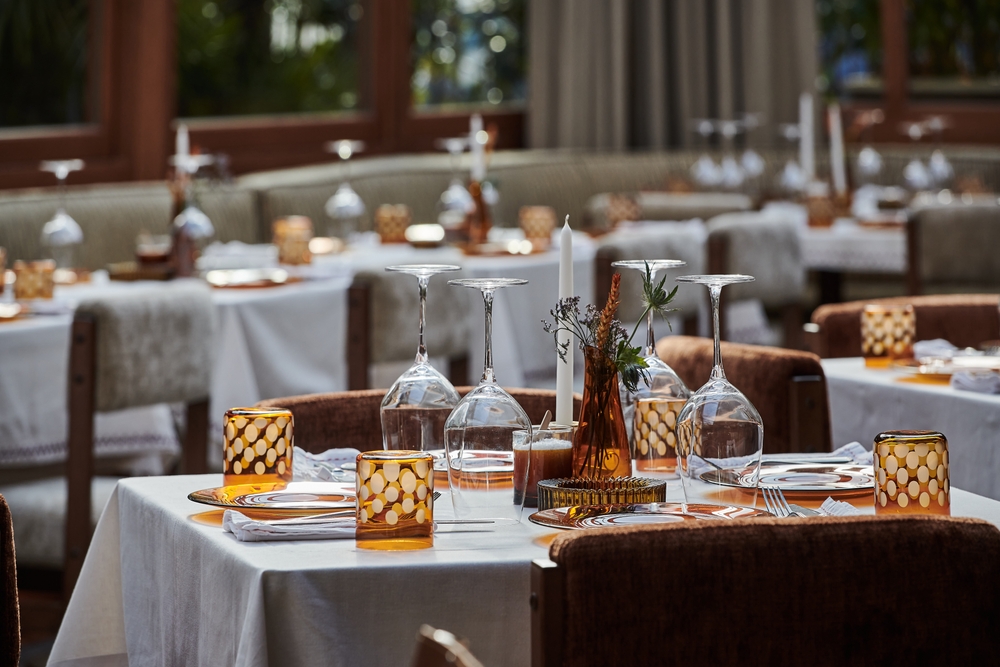
As restaurants operate within limited service windows, an unoccupied table during dinner rush means lost revenue and missed opportunities. For instance, a four-person reservation that never arrives on a Friday night could cost hundreds in food and beverage sales, especially for upscale or high-volume venues. When no-shows happen repeatedly, the financial impact quickly adds up and affects overall profitability. Additionally, restaurants often turn away walk-in guests or stop accepting reservations when tables are believed to be fully booked. However, when reserved tables suddenly remain empty, those potential customers are already gone.
How No-Shows Affect Front-of-House Staff
With data from restaurant booking, managers build shifts around expected guest volume, assigning servers, hosts, bartenders, and kitchen staff based on reservation forecasts. But when reserved tables remain empty, revenue drops while labor costs for each shift remain the same. This unbalanced revenue and costs results in operational efficiency, specifically with small restaurants working with tight margins.
Front-of-house staff usually encounter a direct impact from no-shows as they face unpredictable workloads throughout service. Hosts are often forced to constantly ensure smooth service: estimating wait times, adjusting seating plans, and managing frustrated guests. Working under unpredictability over time can affect employees psychologically, making them unnecessarily more stressed or overwhelmed.
Why Traditional Reservation Systems Fall Short
Traditional reservation systems usually rely on passive confirmation methods, sending a simple booking confirmation email that is lost among other mail. Modern customer behavior has changed—they can always change their plans or choose a different location at the last minute. Without timely follow-ups or engagement, it is up to guests whether they remember their reservation and actually come.
In addition, passive restaurant booking systems hold very little accountability. For example, guests can often reserve tables without payment details, cancellation policies, or confirmation requirements. Cancelling at the last minute—or not showing up—doesn't really impact diners at all. On the contrary, significant operational costs fall entirely on restaurants.
On top of that, manual follow-up processes consume valuable staff time. Calling guests individually to reconfirm reservations may work for small venues, but it becomes inefficient and unsustainable for busy restaurants managing dozens or even hundreds of bookings daily.

Using Deposits and Automated Reminders to Reduce No-Shows
How Deposits Encourage Guest Commitment
Adding reservation deposits to the restaurant booking flow creates a stronger sense of commitment from guests before they arrive. Having placed a small deposit during the booking process, diners are more likely to follow through with their reservation due to financial accountability. Additionally, reservation deposits are helpful during peak hours, special events, and large group bookings. As reservation deposits discourage casual reservations, the chances diners with serious intent would call for restaurant bookings increase. Importantly, restaurants can protect valuable table space while still offering guests a smooth and professional booking experience that feels fair and transparent.
Why Automated Reminders Work
Smart restaurant booking systems usually involve automated reminders—the solution designed to gently remind guests. SMS and email reminders keep reservations top of mind without requiring staff to manually contact every customer. However, timing does matter. Reminders sent 24 hours before a reservation, followed by a same-day reminder, often produce the best results. These notifications also give diners an easy way to confirm, cancel, or reschedule if their plans change. By improving communication and reducing forgotten bookings, automated reminders help restaurants maintain more accurate reservation schedules and improve overall table management.
Creating a Frictionless Booking Experience
A smooth restaurant booking experience also plays a major role in customer experience. A frictionless booking flow makes it easy for guests to reserve tables, pay deposits, and receive confirmations directly from their mobile devices. By providing clear cancellation policies and instant booking confirmations, diners feel informed and confident throughout the process. Another advantage is restaurants can protect themselves operationally without creating unnecessary barriers for customers. The best restaurant booking systems should balance convenience with accountability—making the flow fast, simple, and transparent. When guests understand expectations from the beginning, they are far more likely to respect reservation policies and arrive as planned.
Helping Staff Plan More Effectively
With more reliable restaurant booking systems, data on reservations should be more accurate. Managers can plan daily operations and forecast guest traffic more confidently, allowing them to schedule staff according to actual demand. This helps avoid situations where restaurants are overstaffed during quiet periods or understaffed during busy service hours. In addition, automated booking systems reduce the need for hosts and managers to spend time manually confirming reservations, freeing staff to focus on customer service and floor operations. Modern restaurant booking systems offer better reservation visibility with fewer unexpected gaps, allowing restaurants to improve table management, labor efficiency, and the overall dining experience.
Conclusion:
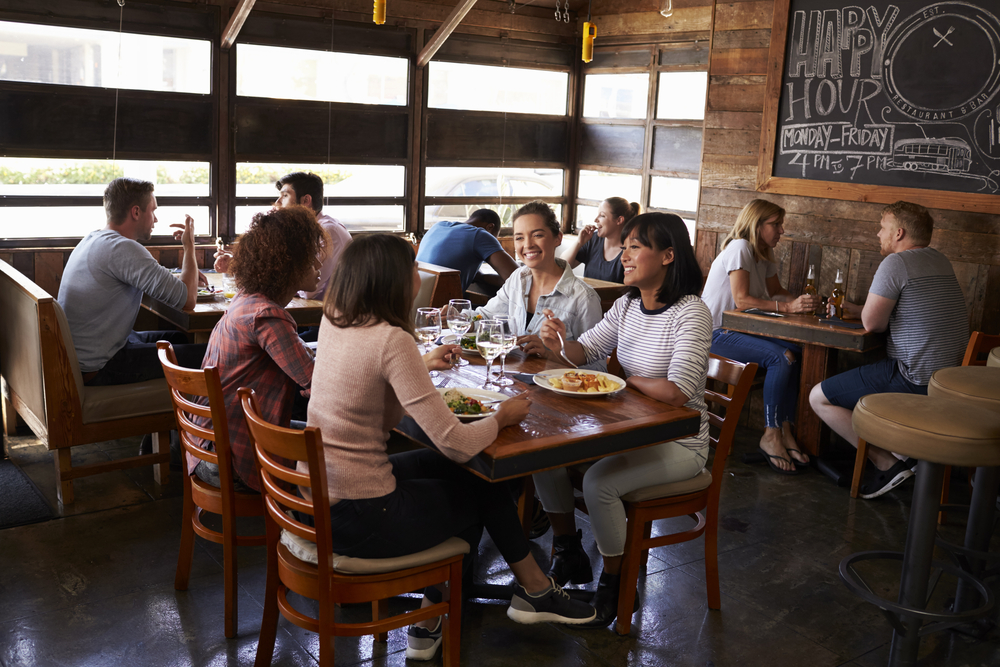
As no-shows can negatively impact both revenue and staff operations, many restaurants have adopted modern restaurant booking systems for better operational management. Reservation deposits and automated reminders increase guest accountability, reducing chances of a last-minute cancellation or forgetting reservations. Smart restaurant booking systems also help restaurant teams operate more efficiently based on more predictable guest volumes and demands. Moreover, restaurants can better evaluate and allocate staff and resources based on more accurate data, reducing unnecessary costs and waste preparation. By implementing modern restaurant booking systems, lost reservations and missed opportunities would be fewer, and restaurants would have higher chances of securing revenue.
Okya's services cover an all-in-one solution for chain restaurants. We also offer you a modern restaurant booking system, integrating into your existing system to maximize efficiency and productivity.
It’s time to take an active role and make sure no tables are left empty.
Book a consultation with Okya today.