How Modern Staff Management Tools Reduce Employee Burnout
How Modern Staff Management Tools Reduce Employee Burnout

Working in the restaurant industry is often challenging and demanding: long hours, high pressure, and ongoing staff shortages. Over time, these pressures can lead to employee burnout, affecting productivity, service quality, teamwork, and overall customer satisfaction. As burnout becomes a growing concern for restaurant owners and managers, many businesses are turning to modern staff management tools as a practical solution. Features such as smarter shift scheduling, balanced workload distribution, and real-time team communication help create a more organized and supportive workplace. By improving daily operations and employee well-being, these tools can help restaurants reduce burnout while building a healthier and more efficient work environment.

Examine the Link: Poor Staff Management and Burnout
For the restaurant industry, hospitality is one of the most contributing factors to a business's success. Every team member plays a major role in creating an exceptional dining experience, ensuring they exceed customers’ expectations.
However, if staff management is poor, employees tend to burn out easier, affecting the day-to-day operations and increasing the turnover rate. To address pain points effectively, owners and managers must identify the causes and understand their effects on teams. Here are the four main causes leading to employee burnout.
1. Irregular Scheduling and Overwork
Restaurant employees often deal with unpredictable shifts, extended working hours, and last-minute schedule changes. This makes maintaining a healthy work-life balance difficult. Employees may suddenly be asked to cover extra shifts due to staff shortages or unexpected rush periods, leaving them physically and mentally exhausted. When employees feel overworked and continuously exhausted, their productivity, motivation, and service quality may gradually decline.
2. Lack of Communication
Poor communication between managers and staff can also create unnecessary stress in restaurant operations. Miscommunication about shift changes, responsibilities, or daily updates can lead to confusion and frustration among employees, increasing the likelihood of mistakes and workplace tension. In some cases, employees may feel disconnected from management when important updates are not communicated properly. This lack of transparency can negatively affect teamwork and employee confidence, making daily operations more stressful than they need to be.
3. Manual Processes and Administrative Burden
Many restaurants still rely on manual processes for scheduling, attendance tracking, and payroll management, which can become time-consuming and inefficient. Managers often spend hours organizing schedules, calculating work hours, or handling payroll issues manually, leaving less time to focus on supporting employees and improving operations. At the same time, employees may experience frustration from scheduling errors, delayed updates, or payroll mistakes caused by manual systems. These repetitive administrative tasks not only increase workload for managers but also contribute to stress and dissatisfaction among staff members, increasing risks of burnout for the entire team.
4. Limited Employee Autonomy
When employees feel they have little control over their schedules or workload, they are more likely to feel burned out. Restaurant employees may struggle to request time off, swap shifts, or communicate availability changes easily. An inflexible schedule can make employees feel powerless and undervalued, leading to a sense of limited autonomy, which eventually reduces employee engagement, motivation, and loyalty to the business. When workers feel trusted and are given more control over their schedules, allowing them to have a satisfactory work-life balance, they are generally more satisfied, productive, and committed to their roles.
The Solution: How Modern Staff Management Tools Address Burnout
Presently, many restaurant businesses have begun using modern staff management tools for various purposes such as automating repetitive administrative tasks, providing access to open communication, and preventing employee burnout.
Smart Scheduling for Better Work-Life Balance
With automation and data provided by modern staff management tools, managers can create more balanced and efficient work schedules by considering employee availability, business demand, and peak operating hours when creating shifts. This reduces the chances of scheduling conflicts, understaffing, or overworking certain employees. Modern staff management technology allows managers to save time from repetitive tasks and spend more on team support and human resources. As employees gain better work-life balance and rest time from fair shift distribution, restaurants benefit from improved productivity and smoother daily operations, leading to a smoother workflow and more unified teamwork.
Real-Time Communication Features
In fast-paced environments like the restaurant industry, clear communication plays an essential role between team members. Modern staff management tools often provide built-in messaging systems, instant notifications, and digital announcements, allowing managers to communicate updates quickly and efficiently. As a result, employees can receive real-time information about shift changes, schedule adjustments, or important operational updates directly from their devices. This direct and efficient communication channel reduces confusion, minimizes missed messages, and helps staff stay informed at all times, strengthening teamwork and creating a more organized and supportive workplace environment.
Streamlined Administrative Tasks
Managers usually spend hours doing administrative tasks like payroll processing, attendance tracking, and employee scheduling. When done manually, these responsibilities can consume a significant amount of time and energy. As modern staff management tools simplify these processes through automation, managers have more time and energy to focus more on team support and restaurant operations. Additionally, implementing modern staff management technology helps improve accuracy and work efficiency for both managers and employees. With fewer scheduling errors and more transparent payroll management, the streamlined workflow helps reduce overall stress and lower the risk of burnout across the team.
Employee Self-Service and Flexibility
Giving employees more control over their schedules can greatly improve job satisfaction and workplace morale. Many staff management tools now offer self-service features that allow employees to request time off, swap shifts, and update their availability directly through a mobile app or online platform. This flexibility gives employees a sense of control and autonomy, helping them better manage their personal responsibilities and achieve work-life balance. When employees feel trusted and empowered to manage parts of their work schedules, they are often more engaged, motivated, and committed to their roles within the restaurant.
Data-Driven Workforce Insights
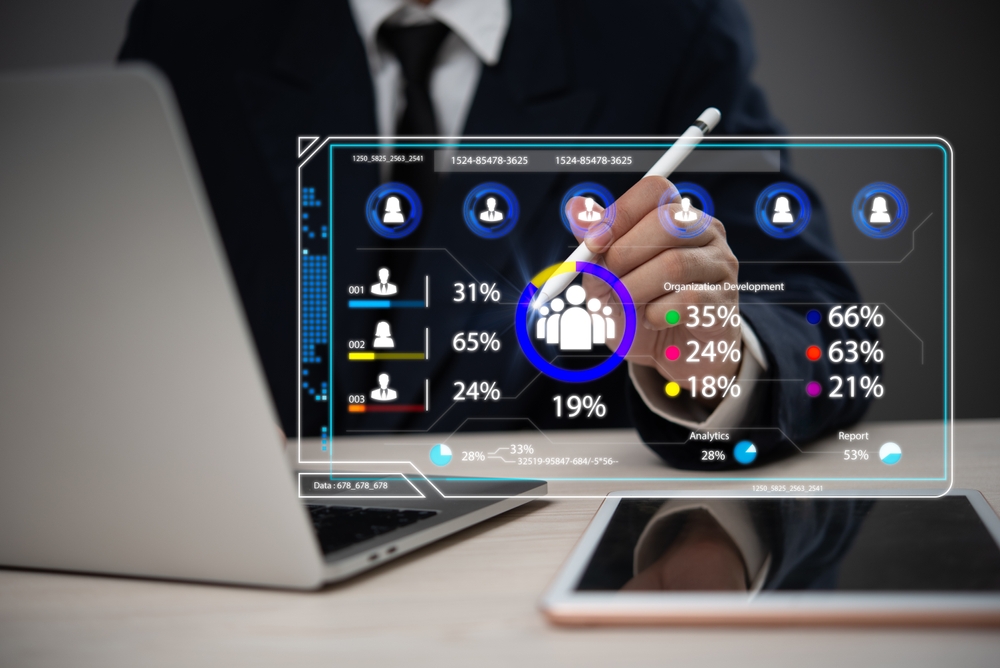
One of the main advantages of modern staff management tools is data-driven insights: collecting data and providing valuable workforce analytics. By tracking attendance patterns, overtime hours, and peak business periods, managers can identify employees who may be overworked or at risk of burnout. Moreover, modern staff management systems usually offer analytics for business management: making proactive scheduling adjustments, improving staff allocation, and maintaining healthier workloads across the team.

Conclusion:
Burnout is a growing concern in the restaurant industry as it affects employees individually and the team as a whole. Modern staff management tools can create a healthier and more efficient workplace by using automation and data-driven insight. By adopting the right tools, restaurants can increase work efficiency and create a supportive work environment, reducing the risk of employee burnout.
Okya provides integrated solutions that help transform restaurant operations through various means such as streamlining operations and automating workflows. Our service also includes offering staff management tools that are suitable for your system.
Ready to create a supportive work environment with modern technology?
Book a consultation with us today.