How a Kitchen Display System Helps Chain Managers Identify Operational Bottlenecks

How a Kitchen Display System Helps Chain Managers Identify Operational Bottlenecks
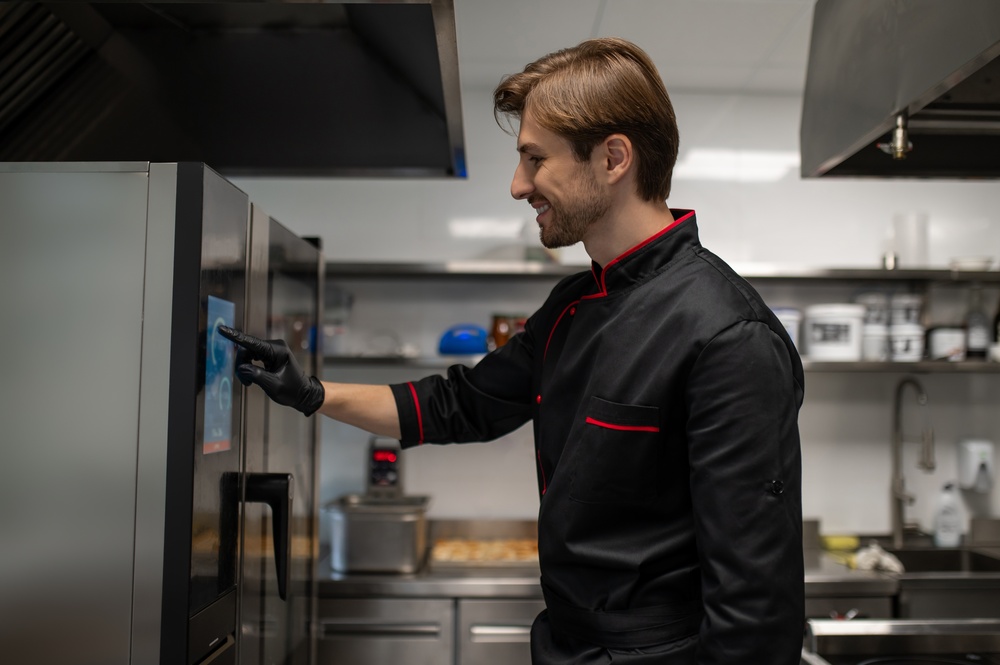
As technology constantly evolves, restaurants need to act fast: adapt and embrace the new ways of management and operations to stay competitive. A kitchen display system (KDS) is a digital solution that integrates with a POS system and shows orders in real time. A kitchen display system has replaced the traditional paper tickets as it streamlines operations across onsite restaurants, online ordering systems, and delivery apps, allowing staff to work efficiently. Integrating a kitchen display system ensures smooth order flow from customers to the kitchen as it deals with bottlenecks like inconsistency, slow process time, and lack of communication between staff that affect customer experience.
5 Ways a Kitchen Display System Helps Identify Operational Bottlenecks
The first step of improving any systems is properly identifying obstacles. Here are 5 ways a kitchen display system can help you assess the operations.
1. Real-Time Order Tracking Across Locations
As orders are entered at the POS or from online applications, a kitchen display system allows visibility to order status at every stage. Real-time order tracking eliminates the delay between order placement and kitchen notification, including preparation, cooking, and plating phases. Staff don’t need to print and sort dockets, maximizing table turns and delivery throughput. Moreover, changes made to orders from the POS will automatically update in the kitchen, reducing miscommunication and errors in order preparation. This also allows managers to compare performance across branches with clearer objective assessments.
2. Prep Time Analytics and Performance Insights
A kitchen display system can track ticket times and prep durations, showing station performance and identifying slow stations or inefficient workflows. It also collects valuable data on prep times and peak demand trends, allowing managers to analyze these insights and enable data-driven decision-making with ease. Whether communication gaps or uneven task distribution among staff, with accurate operational data provided by a KDS, restaurant teams can run a more efficient workflow: faster order fulfillment, smoother operations, and a better customer experience.
3. Identifying Staff Performance Gaps
Data collected by a kitchen display system offers insight on inconsistencies between shifts or teams: preparation time, communication between staff, and overall workflow. By detecting understaffing or training issues, managers can investigate the underlying causes of problems and implement appropriate solutions, such as increasing the number of staff per shift or providing targeted coaching. This will allow staff for every station to share the same standard practice, elevating the performance and improving customer experience over time.
4. Workflow Optimization Through Order Routing
A kitchen display system does more than provide real-time order tracking and operational data—it also helps optimize kitchen workflows through smart order routing. Orders are automatically directed to the appropriate prep stations, preventing overload in specific areas and ensuring workloads are distributed more evenly across the kitchen. This improves coordination between stations, reduces delays during peak hours, and minimizes the risk of operational bottlenecks. By creating a smoother flow of communication between front-of-house and back-of-house teams, a kitchen display system enables restaurant staff to work more efficiently while maintaining consistent service quality.
5. Peak Hour Bottleneck Detection
Peak hours are often tense, fast-paced, and demanding, making operational errors and bottlenecks more likely to happen. A kitchen display system helps restaurants identify recurring issues during busy periods by revealing patterns in order flow, prep times, and station performance. These insights allow managers to quickly spot bottlenecks and adjust before service quality is affected. A KDS also supports better scheduling and staffing by helping distribute workloads more evenly across the team. With access to real-time data and performance insights, restaurants can improve demand forecasting, streamline operations, and manage peak-hour service with greater efficiency and confidence.
Business Impact of Identifying Bottlenecks with a Kitchen Display System
More Accurate Inventory Planning from Demand Visibility
A kitchen display system provides restaurant teams better visibility into order flow and kitchen demand, helping managers forecast ingredient usage more accurately. With real-time operational insights, restaurants can reduce overstocking, avoid shortages, and plan inventory more efficiently across locations.
Lower Operating Costs by Eliminating Workflow Inefficiencies
By identifying delays and inefficient workflows, a kitchen display system helps restaurants streamline daily operations and improve productivity. Smoother coordination between stations reduces unnecessary downtime, allowing businesses to lower operating costs while maintaining service quality.
Faster Staff Onboarding with Standardized Workflows
Standardized workflows displayed through a kitchen display system make it easier for new staff to understand kitchen processes and adapt quickly. This shortens training time, improves operational consistency, shares the same standard, and helps teams perform more confidently during busy service hours.
Reduced Food Waste Through Fewer Order Errors
Clear and accurate communication between front-of-house and back-of-house teams minimizes order mistakes and misunderstandings. With fewer incorrect orders and remakes, restaurants can reduce food waste, improve efficiency, and deliver a more consistent customer experience.

Conclusion:
Integrating a kitchen display system enables restaurants to identify and resolve operational bottlenecks in real time, improving efficiency, cost control, and consistency across locations. With data and insights gathered across different shifts and teams, managers can analyze emerging patterns across stations, teams, and different hours. This will allow restaurants to navigate the business with more productivity and stay competitive in the industry.
Okya provides a unified ecosystem designed to support both independent restaurants and growing restaurant chains. From streamlining kitchen operations to improving overall efficiency, our team works closely with your business to deliver tailored solutions that fit your operational needs. Okya is ready to help with personalized consultation and seamless system integration built around the way your restaurant operates.
Book a demo with us today, and let’s embrace the new era of restaurant business together.