How Automated Order Routing Eliminates Kitchen Bottlenecks
How Automated Order Routing Eliminates Kitchen Bottlenecks
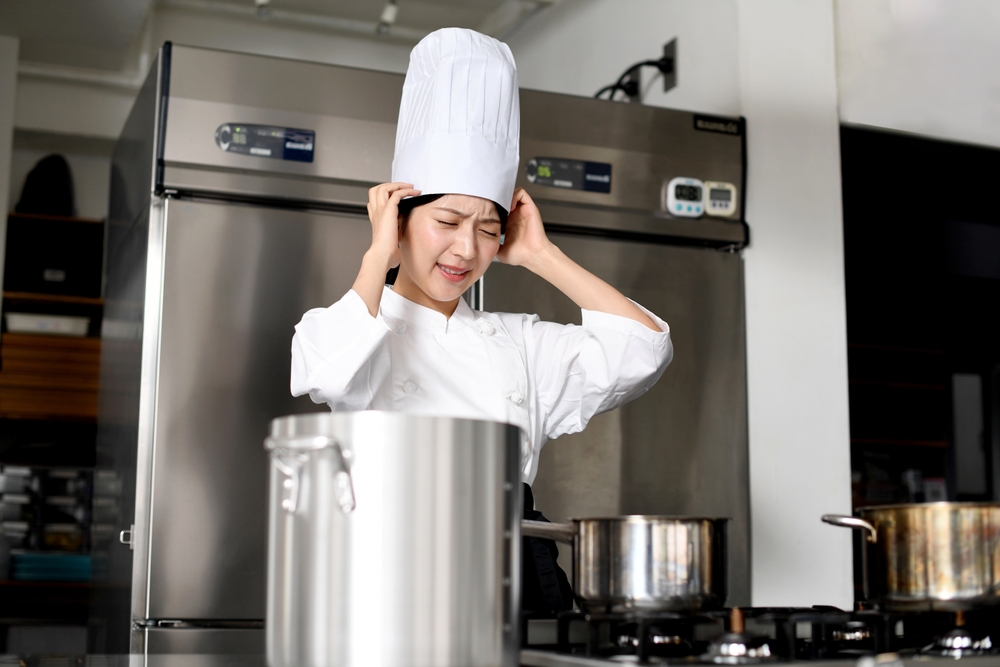
Every restaurant operator knows the exact moment the dinner rush threatens to spin out of control. It starts with a sudden swell of ambient noise in the dining room, followed by the relentless, rhythmic printing of order tickets in the kitchen.
Within minutes, the expo counter is buried under a sea of paper. Line cooks are shouting over the sizzle of the grill to clarify modifications, servers are hovering at the pass asking for updates, and ticket times are steadily climbing.
In a traditional setup, the kitchen is locked in a constant battle against manual communication gaps. But it doesn’t have to be this way. Transitioning from manual ticket handling to automated order routing isn't just an administrative tech upgrade—it is the foundational step to unlocking a frictionless, highly efficient kitchen operation.
The Root Cause: Why Do Kitchen Bottlenecks Happen?
Kitchen bottlenecks are rarely the fault of an unmotivated line crew. Instead, they are almost always structural, caused by a breakdown in how information flows from the guest to the kitchen.
Three main friction points consistently slow down back-of-house (BOH) production:
- The Multi-Channel Overload
Today’s kitchens aren’t just cooking for the dining room. They are simultaneously balancing walk-ins, tableside QR code orders, website pickups, and multiple third-party delivery apps. When all these channels converge on a single printer, chaos follows.
- The Manual Slicing Dilemma
When an order with diverse items hits the pass, an expeditor or head chef must manually read it, split the tasks, and shout instructions to individual stations. This creates an immediate cognitive and physical lag.
- Human Error and Miscommunication
Paper tickets get lost, dropped, or stained with grease. Handwritten modifications or complex allergy alerts are easily misread under pressure, leading to a high volume of costly recooks and frustrated guests.
How Automated Order Routing Streamlines the Workflow
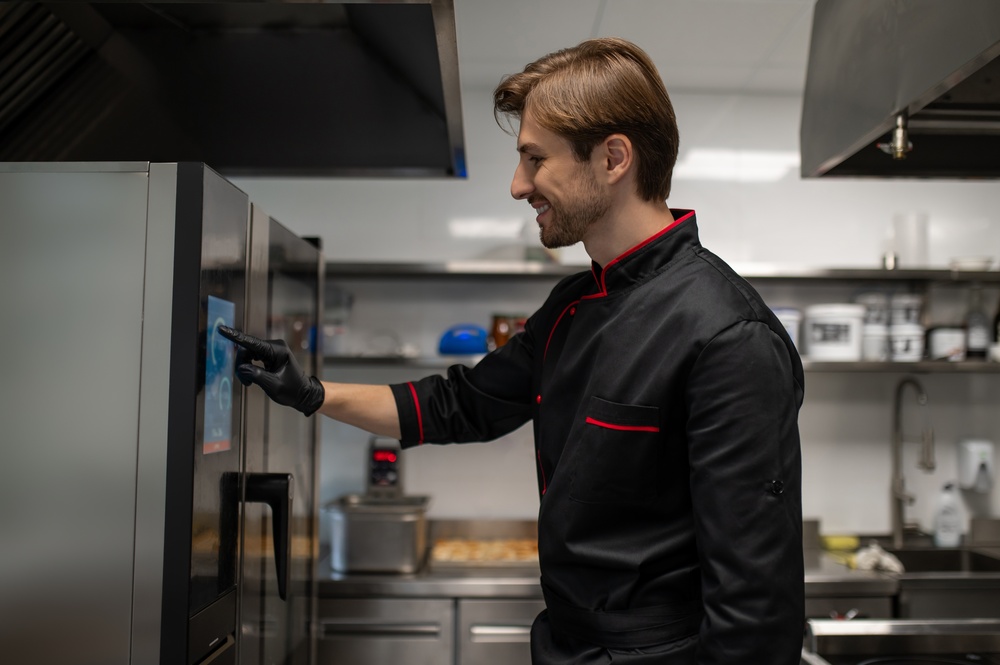
Automated order routing replaces the physical and verbal scramble with precise, instantaneous digital distribution. The moment a customer clicks "order" via a mobile app or a server sends a ticket from a tableside terminal, the software takes over.
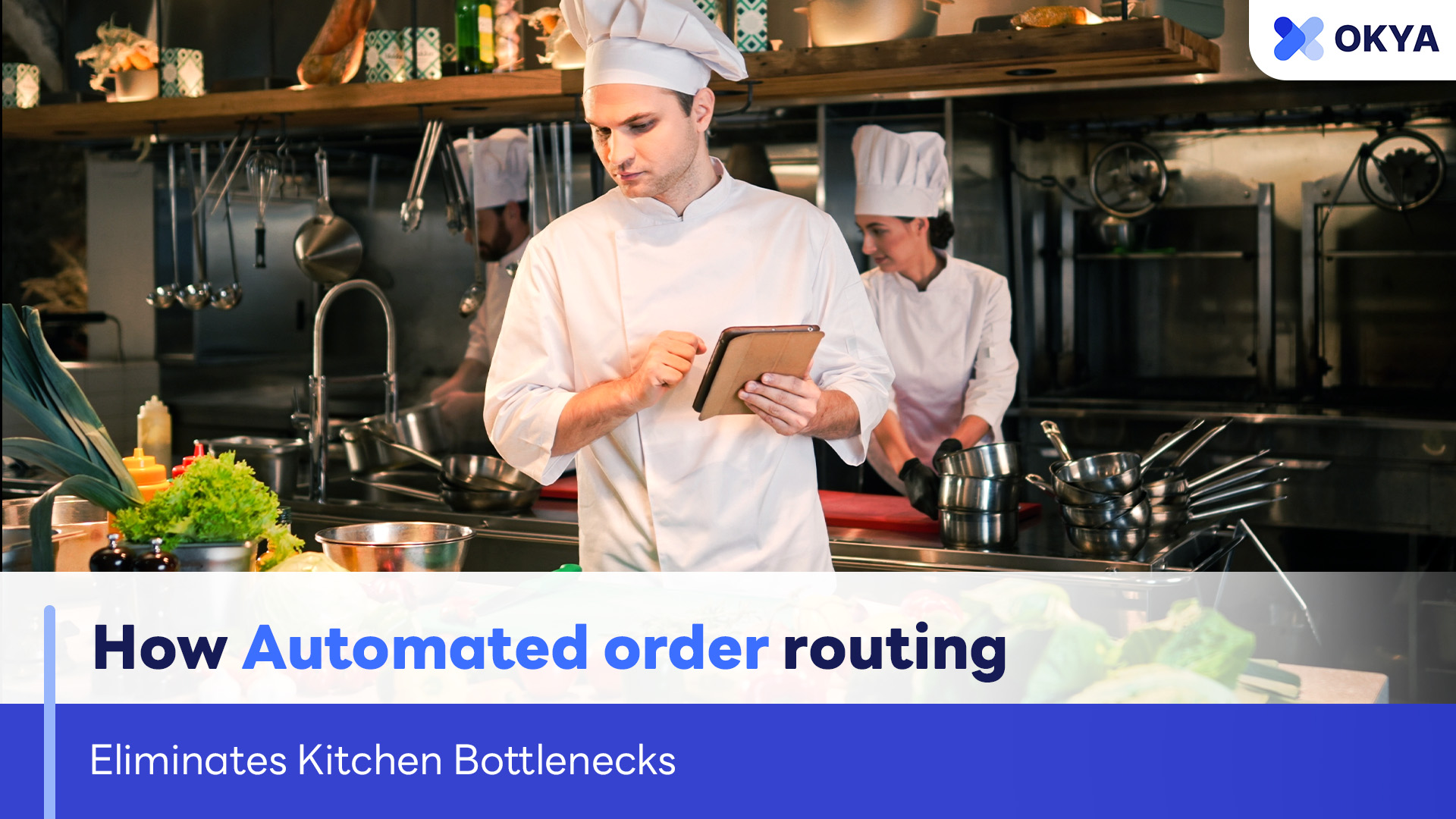
Instead of sending a monolithic ticket to a single printer, an intelligent routing engine instantly dissects the order and distributes items to specific Kitchen Display System (KDS) screens based on prep type:
- Instant, Direct Injection: Orders bypass the front counter entirely. There is no waiting for a cashier to manually re-enter a delivery order into the primary system.
- Intelligent Station Splitting: A single ticket containing a ribeye steak, a Caesar salad, and a cocktail is split into three pieces of data simultaneously. The steak routes to the grill display, the salad to the pantry display, and the drink to the bar.
- Dynamic Load Balancing: If your kitchen runs two identical fry or assembly lines, smart routing can distribute incoming volume evenly between them, ensuring one cook isn't overwhelmed while another stands idle.
Crucial Benefits: What Happens When the Chaos Clears?
When you automate the logistics of order delivery, the entire energy of the restaurant shifts. The kitchen becomes a quieter, more focused environment, yielding tangible business results.
1. Drastically Reduced Ticket Times
By cutting out the middle steps of printing, sorting, and vocalizing orders, you shave critical minutes off your fulfillment cycle. Food hits the table hotter, delivery drivers depart faster, and table turnover rates naturally improve.
2. Flawless Order Accuracy
Digital screens don't get lost or stained. More importantly, special requests, modifications, and severe food allergies are automatically highlighted in bold, high-contrast colors on the KDS screen. This clear visual hierarchy leaves zero room for interpretation, drastically cutting down on wasted ingredients and comps.
3. Enhanced Front-and-Back-of-House Harmony
Automated routing bridges the historical communication gap between servers and cooks. Because the status of each dish is updated on the kitchen screen in real time, front-of-house staff can check the progress of a table directly from any POS terminal without stepping into the kitchen and disrupting the line crew.
4. Objective Operational Data
You cannot manage what you do not measure. Automated systems track exactly how long a ticket sits at each station before being marked as complete. This granular data gives management clear insight into operational bottlenecks, helping you identify training opportunities or adjust prep-line scheduling.
Conclusion: Future-Proofing Your Kitchen with Okya
The modern restaurant landscape demands agility. To stay profitable, operators must be able to handle rising order volumes across multiple platforms without inflating labor costs or exhausting their staff.
Ready to transform your kitchen operations?
Don’t let operational friction hold your business back.
At Okya, we design ecosystems that humanize restaurant technology. Our intelligent order routing seamlessly bridges your ordering channels with intuitive back-of-house displays, ensuring your team spends less time managing paperwork and more time crafting exceptional guest experiences.